
How is CBD Extracted? – CBD Guide
Introducción
Over the last few decades, few substances have attracted as much attention in the world of wellbeing as cannabidiol. Derived from the hemp plant, CBD has been the starting point for research, innovative products and new conversations about natural health.
However, beyond its potential therapeutic properties, you may have wondered at some point: how is the CBD oil that appears in bottles, creams or vaporisers obtained? What happens between the plant and the final product? Behind every drop, capsule or balm, there is a technical process that transforms hemp into extracts rich in active compounds. And although these methods tend to stay off the radar, they are essential to understanding the quality and efficacy of the product.
¿Por qué la extracción de CBD es importante?
Cannabidiol (CBD) has gained prominence as a highly valued compound in the field of natural wellbeing. However, for these benefits to remain intact in products, it is crucial to understand how CBD is extracted from the hemp plant. The way this process is carried out affects not only the effectiveness of the final product, but also its safety and the user experience.
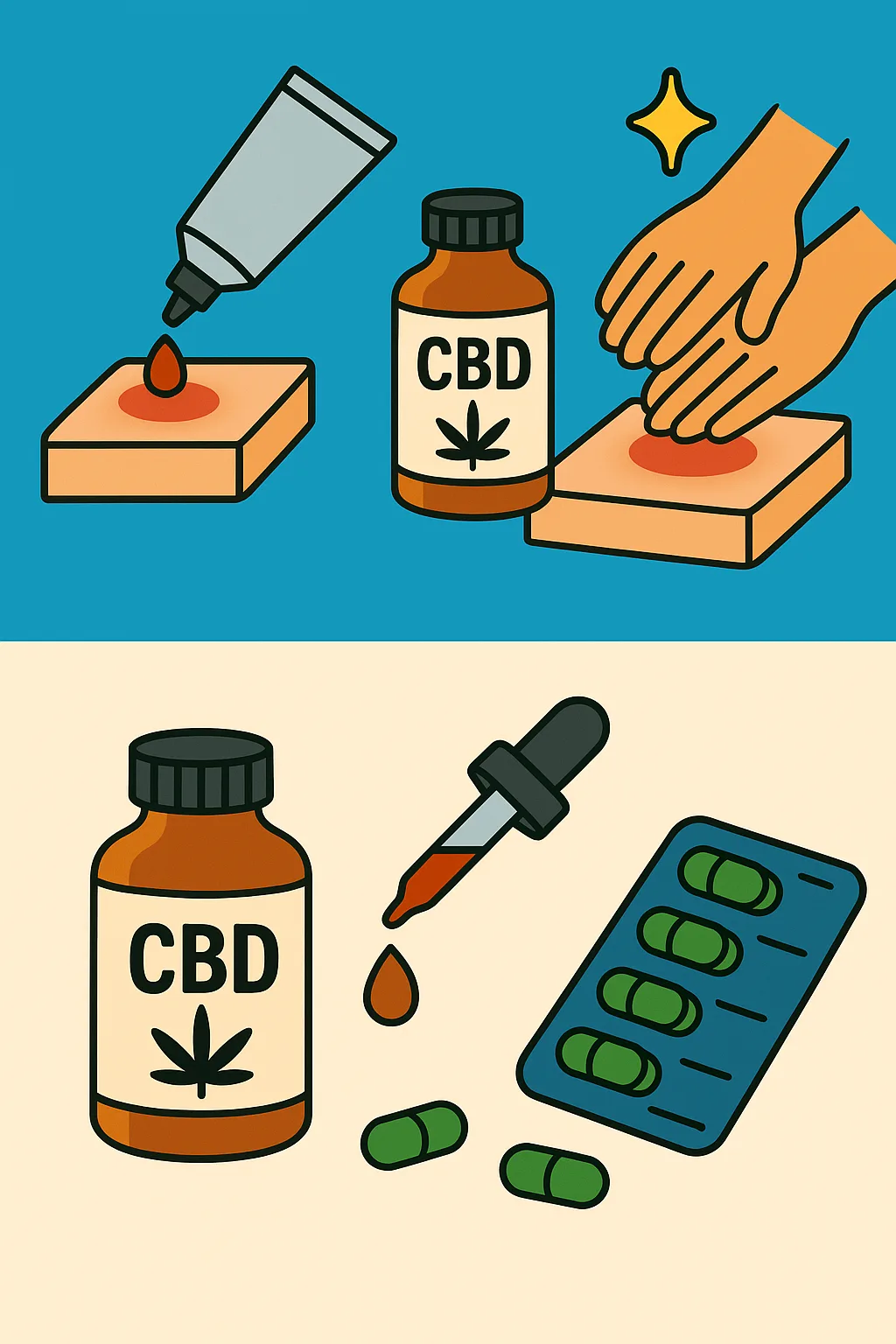
These extracts are used to develop a wide variety of products. Notable among them are CBD oils, which contain a rich blend of cannabinoids; CBD cosmetics, increasingly popular in skincare; and vape liquids, which offer a fast and direct route of administration.
Relationship between extract quality and the method used
Not all CBD extracts are the same. The quality and effects of the final oil depend largely on the method used to obtain it. Some procedures preserve cannabinoids better, while others can degrade sensitive compounds such as terpenes. Choosing the right method is key to obtaining a pure, potent extract with a complete profile of beneficial compounds.

¿Qué implica la extracción del CBD?
Extraction is the process by which the active components of hemp, such as cannabinoids and terpenes, are separated from the rest of the plant material. This step is essential to turn a raw plant into a product with value for wellbeing. Without good extraction, even the best hemp could produce a low-quality extract.
Currently, the three best-known methods are supercritical CO₂ extraction, olive oil infusion and the use of solvents such as ethanol or butane. Each has advantages and limitations, so they are used depending on the type of product to be obtained and the resources available.
¿Por qué no todos los métodos son iguales?
The differences between these techniques lie not only in the materials and conditions they require, but also in the profile of the extract they produce. Some preserve volatile compounds better, others offer higher yields, and a few are ideal for artisanal use. Understanding these distinctions helps you make more informed decisions as a buyer or producer.
Métodos principales de extracción del CBD
Extracción con CO₂
This method is based on the use of carbon dioxide in a supercritical state, a physical state in which CO₂ behaves as both a liquid and a gas at the same time. Under these conditions, the gas acquires the ability to dissolve the compounds in hemp, as if it were a chemical solvent, but without leaving any residue. It is a clean, precise and highly efficient process that preserves a wide range of cannabinoids and terpenes, which is essential for full spectrum products.
- Supercritical CO₂: works at high pressure and temperature, which makes it possible to extract a wide range of compounds. It is ideal for products seeking greater concentration and chemical variety.
- Subcritical CO₂: uses gentler conditions, resulting in an extract that better preserves the most delicate terpenes, although it sacrifices some of the yield. This approach is useful when the aroma of the extract is the priority.
CO₂ extraction begins with the careful selection and preparation of the hemp, including drying and grinding to improve the efficiency of the process. The CO₂ is then subjected to specific pressure and temperature conditions to reach its supercritical state. In this state, it flows through the plant material, dissolving the desired compounds. The pressure is then reduced, allowing the CO₂ to evaporate and the extracted compounds to separate. Finally, the gas can be recovered, cooled and reused, making the method a sustainable option.
As for the advantages, CO₂ is a safe and predictable solvent that has been used by most food companies for many years. In addition, extraction methods have been refined to guarantee efficiency in CBD production. The purity of the CBD produced is extremely high and any leftover residue is considered safe for people, as CO₂ is a natural, non-toxic substance.
However, it is also important to bear in mind the disadvantages. The yield of the CO₂ extraction process is lower compared with other methods such as ethanol. In addition, the equipment needed to carry out this process is expensive and can only be used in advanced, sophisticated laboratories.
Despite these disadvantages, many consider the use of CO₂ as an extraction solvent to be a safe and effective option for producing high-quality CBD. It is important to carefully assess the needs of each company and consider the costs and benefits before choosing a particular extraction method.
Infusión en caliente: se mezcla el cáñamo previamente descarboxilado con aceite de oliva y se calienta durante varias horas. Esta técnica acelera la extracción y mejora la biodisponibilidad.
Maceración en frío: se deja reposar el material vegetal en aceite a temperatura ambiente durante semanas. Aunque más lenta, esta técnica es más suave y permite conservar ciertos compuestos volátiles.
In this type of extraction, the plant material is first heated to activate the cannabinoids in a process known as decarboxylation. It is then combined with olive oil and kept at a controlled temperature for an extended period, allowing the fat-soluble compounds to dissolve into the oil. Finally, the mixture is filtered to remove plant residue and stored in conditions that preserve its stability. Although the resulting product may have a lower concentration than other methods, its profile is natural and safe.
Let’s start with the good part: the cost! This method is an affordable, accessible option for small-scale production, which makes it ideal for those getting started in the world of CBD. It is also safe, as olive oil is not flammable and poses no risk of explosion or fire.
However, it is not all plain sailing. Purity is one of the drawbacks of this method. Although it is a simple technique, olive oil does not offer the same purity as other extraction methods. In addition, the range of finished products is more limited. Finally, scalability is another aspect to bear in mind. For those looking to extract CBD for commercial purposes, the olive oil method may fall short.
One of the most widely used processes for obtaining this valuable cannabinoid is ethanol solvent extraction. This method ensures the separation and extraction of CBD from hemp biomass using a highly purified alcohol. Although there are other solvents such as butane, ethanol is preferred by industry experts because it guarantees a safe extraction of CBD without toxic effects. Ethanol is also able to extract the full range of terpenes and cannabinoids present in cannabis.
It is true that ethanol can also extract chlorophyll, which could reduce the potency of the oil, but this is not a major problem, as the extract can be filtered to obtain a purer, more potent oil. The extraction process is simple and is carried out with the chosen solvent. The liquid acts on the hemp biomass, removing some of the cannabinoids, terpenes and natural phytochemicals present in the plant, in a process known as decarboxylation.
Once the excess solvent has evaporated, the result is a crude, decarboxylated CBD oil. This oil can be turned into CBD distillate, and the distillate into pure CBD isolate, thanks to simple and effective conversion processes.
Let’s start with the advantages. One of the most important is that ethanol and solvent extraction is a more cost-effective process than CO₂ extraction. It involves less sophisticated machinery, which translates into a lower cost. It also delivers a higher CBD yield per kilo of biomass than the CO₂ extraction method, meaning more CBD is obtained from the same amount of raw material.
Now let’s talk about the disadvantages. Firstly, ethanol and solvent extraction is limited in terms of the products that can be obtained. It is suitable for high-yield CBD isolate and distillate, but not for full spectrum extracts, essential oils or waxes. This is because it damages the phytochemicals and terpenes, important components of cannabis with beneficial health effects.
Secondly, the solvent extraction method is more dangerous than CO₂ extraction. The solvents used are highly flammable, which means there is a greater risk of accidents. That is why it is important for this process to be carried out by experts in suitable facilities.

Extracción con aceite de oliva
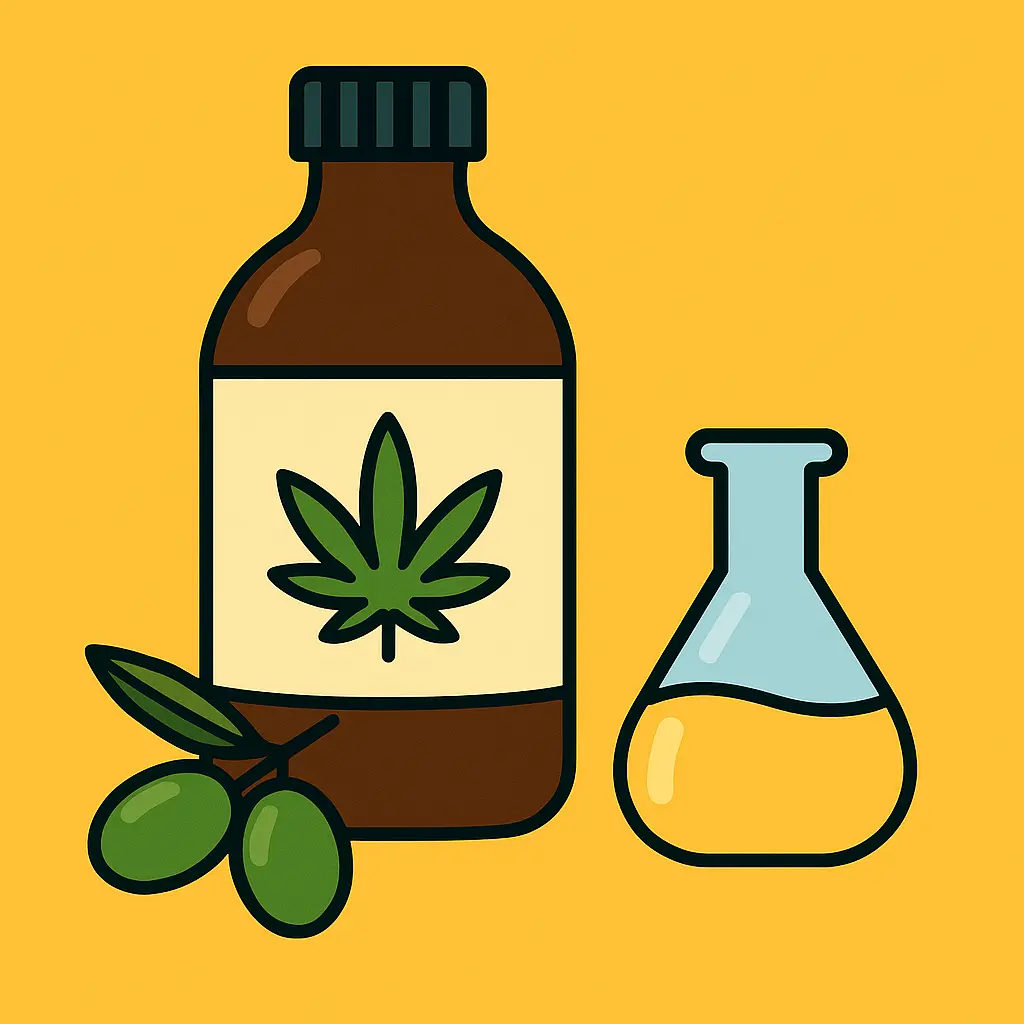
Olive oil is much more than a cooking ingredient. Its ability to dissolve lipophilic compounds such as CBD makes it an effective natural solvent. What is more, as a safe, accessible product rich in antioxidants, it is especially useful where a simple extraction is wanted, such as in artisanal or home production.
Extracción con solventes (etanol, butano, hexano)
This method uses liquid solvents to separate the cannabinoids from the plant material. Ethanol is one of the most widely used because of its effectiveness, although butane and hexane are also used in industrial settings. The choice of solvent and control of the process are key to ensuring a safe product.
Because of the risks these solvents involve, it is essential that extraction is carried out in suitable facilities, by trained staff and under strict regulations. Only then can the safety of the user and of those who produce it, as well as the quality of the result, be guaranteed.
Procesos posteriores a la extracción
Descarboxilación
This step consists of applying heat to the extract or the hemp to convert acidic cannabinoids, such as CBDA, into their active forms, such as CBD. It is a delicate process: if done incorrectly, it can negatively affect the potency of the product. Proper decarboxylation ensures that the CBD is available to interact with the human body.
Purificación del CBD
After extraction, the oil may contain waxes, fats and other unwanted impurities. Purification makes it possible to obtain a clearer extract with a better texture and greater stability. This step is especially important for products applied to the skin.
Enriquecimiento con terpenos
Some terpenes, which are responsible for the aroma and part of the therapeutic effect of cannabis, can be lost during extraction. To restore them, they can be reintroduced using techniques such as steam distillation. This enriches the profile of the extract and improves its synergy with other compounds.
Comparativa final de métodos de extracción
Understanding the differences between extraction methods is key to assessing the type of product you want to make or use. Each technique has its own characteristics, advantages and limitations, which directly affect the purity of the extract, its yield, the profile of compounds preserved and the viability of the process. The following table summarises the main aspects to consider in a clear and orderly way:
| Método de extracción | Ventajas principales | Desventajas o limitaciones | Aplicaciones ideales |
|---|---|---|---|
| CO₂ supercrítico | High purity, no chemical residues. Excellent preservation of cannabinoids and terpenes. Sustainable thanks to CO₂ recycling. | Equipos costosos, menor rendimiento en comparación con otros métodos. Requiere instalaciones avanzadas. | Extractos full spectrum de alta calidad, aceites premium, cosmética terapéutica. |
| CO₂ subcrítico | Better preserves delicate terpenes and volatile compounds. Ideal for complex aromatic profiles. | Menor eficiencia de extracción, con menor concentración de cannabinoides. | Products focused on the aroma and sensory profile of the extract. |
| Aceite de oliva | Método económico, seguro y sin uso de químicos. Ideal para procesos artesanales. Buen vehículo graso para cannabinoides. | Menor pureza y concentración. Vida útil limitada. Difícil de escalar para producción comercial. | Producción casera o artesanal, aceites suaves con perfil natural. |
| Etanol (y otros solventes) | Alta eficiencia, rendimiento elevado por cantidad de biomasa. Coste más bajo que CO₂. Ideal para aislados. | Flammability risk. Can degrade terpenes and phytochemicals. Not suitable for full spectrum oils. Requires technical knowledge to be safe. | Producción industrial de aislados, destilados y extractos estandarizados. |
Conclusión
Looking at CBD extraction methods reveals much more than simple technical processes: it shows how every choice in the production chain has a direct impact on the quality, safety and therapeutic profile of the final product. From the clean precision of supercritical CO₂ to the accessible simplicity of olive oil, and the industrial efficiency of solvents, each method meets different needs, both in the laboratory and on the market.
Understanding how CBD is extracted is not knowledge reserved for specialists. It is a useful tool for anyone looking for reliable, natural products that are aligned with their values. In a constantly evolving sector, where transparency and education are becoming increasingly important, knowing what lies behind a label becomes one more tool for your care and wellbeing.

David Vázquez
Head Ecommerce Sector CBD desde hace más de 10 años

Referencias
- Alba Naranjo M.N., Minchala Espinoza L.A. (2022). Extracción de Cannabidiol (CBD) a partir de la planta de Cannabis sativa L. con tecnología SFE-CO2. Universidad Politectnica Salesiana de Ecuador.
- Álvarez Mojica, N. M., Arévalo Cisneros, V. A., Contreras Cervantes, J. M., Mendoza Villagomez, J. F., López Barrios, O. F., & Ocampo Hernández, S. (2024). Extraction of cannabidiol (CBD) oil using supercritical CO₂ / Extracción de aceite de cannabidiol (CBD) mediante CO₂ supercrítico. Jóvenes en la Ciencia, 28. ISSN 2395-9797.
- Antunes Raimundo J.F. (2022). Development of a cannabis-based formulation/desenvolvimento de uma formulação à base de canábis. Instituto Universitário Egas Moniz.
- Casiraghi, A., Roda, G., Casagni, E., Cristina, C., Musazzi, U. M., Franzè, S., Rocco, P., Giuliani, C., Fico, G., Minghetti, P., & Gambaro, V. (2018). Extraction Method and Analysis of Cannabinoids in Cannabis Olive Oil Preparations. Planta medica, 84(4), 242–249. https://www.thieme-connect.de/products/ejournals/abstract/10.1055/s-0043-123074
- Pavlovic, R., Nenna, G., Calvi, L., Panseri, S., Borgonovo, G., Giupponi, L., … & Giorgi, A. (2018). Quality Traits of “Cannabidiol Oils”: Cannabinoids Content, Terpene Fingerprint and Oxidation Stability of European Commercially Available Preparations. Molecules, 23(5), 1230.
- Roda, G., Pasqualone, D., Dugo, G., & Russo, M. (2021). Extraction and purification of cannabinoids from Cannabis sativa L. for industrial applications. Journal of Cleaner Production, 307, 127147.
- Rovetto, L. J., & Aieta, N. V. (2017). Supercritical carbon dioxide extraction of cannabinoids from Cannabis sativa L. The Journal of Supercritical Fluids, 129, 16-27. https://linkinghub.elsevier.com/retrieve/pii/S0896844617301900
- López Moncholí J. (2021). Diseño de un sistema de extracción de
aceite de cáñamo para su uso en la industria farmacéutica y cosmética. Universitat Politécnica de Valencia.
SOUTHERN PHARMA SPAIN S.L. assumes no liability for the use by third parties of the content of the website and may exercise all civil or criminal actions that apply in case of infringement of these rights by the user. It is absolutely forbidden to use the website or any of its elements for illicit purposes. The benefits and properties of CBD that could be read on the website www.gorillagrillz.com, in no case are attributed to the products sold on the website. CBD products are not medicines and should not replace treatments with these. What you can read on our website are not official medical statements but references to preclinical studies. If you have any doubts, you can consult with a health professional. We remind you that in Spain CBD products are for topical use. All products have THC<0.2% analytics in accordance with Royal Decree 1729/1999.